.png)
.png)

.png)
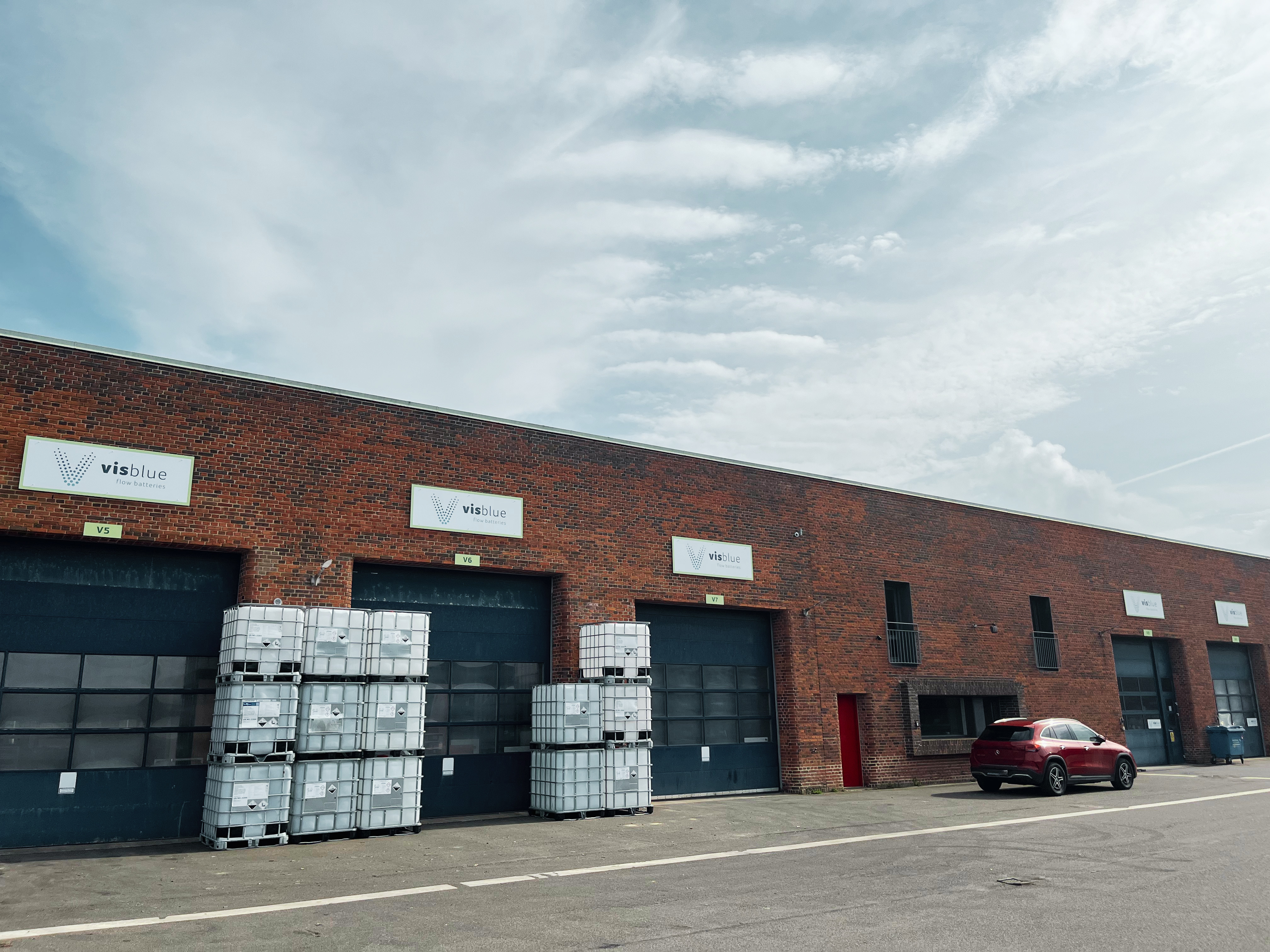
With roots at Aarhus University, VisBlue is a company that values contributing to the development of tomorrow's green solutions.

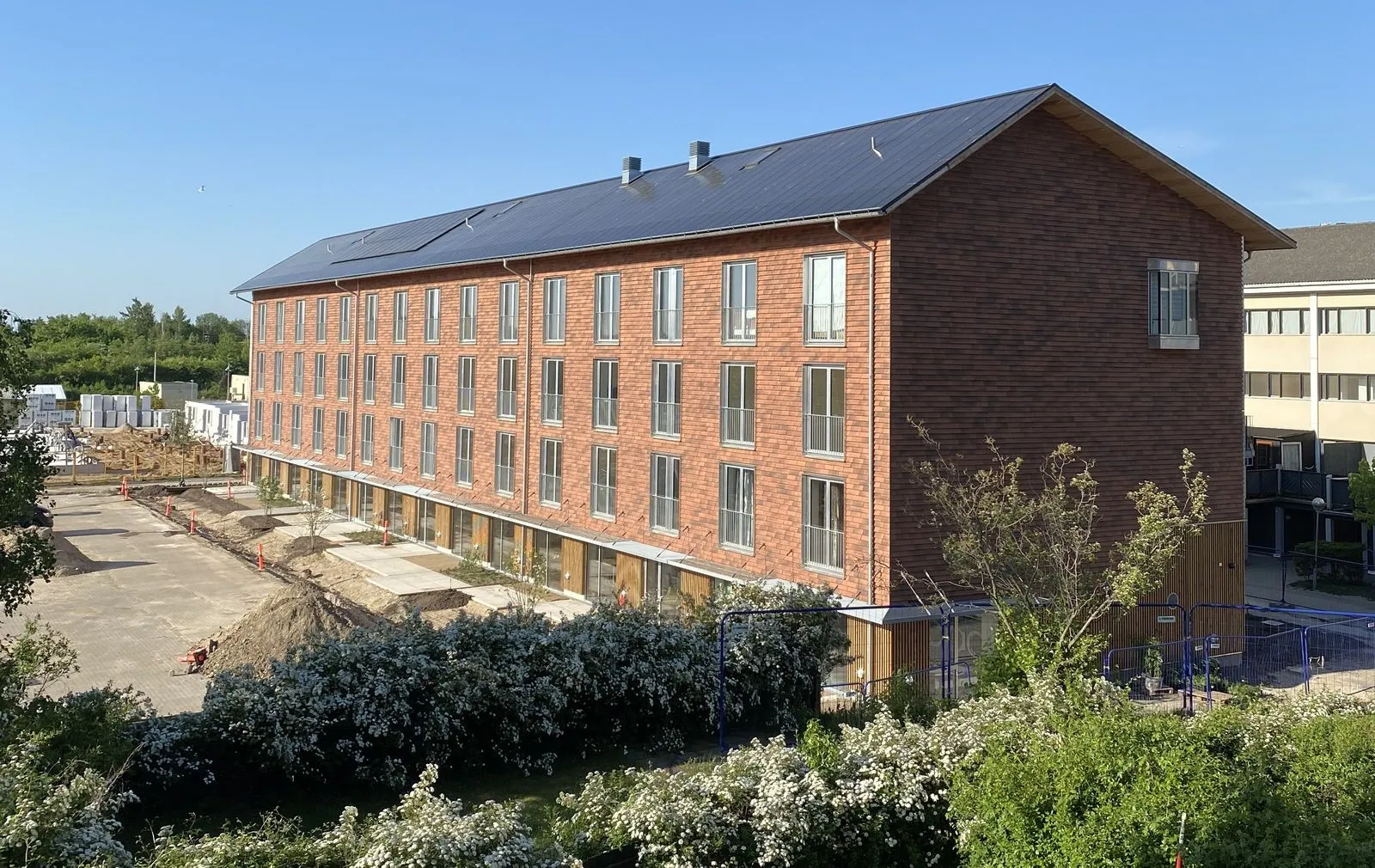
PROBONO is a European innovation project dedicated to making buildings and local communities more energy efficient and sustainable.
The project brings together companies, universities, municipalities and technology partners from across Europe to develop and demonstrate solutions that can accelerate the green transition in buildings and urban areas.
For VisBlue, PROBONO is an important opportunity to demonstrate how flow batteries can support the local utilisation of renewable energy. As part of the project, we have supplied the largest flow battery systems in the company's history to Aarhus University's campus in Foulum, near Viborg.
The project marks an important milestone for VisBlue and demonstrates how our technology can be scaled to support larger energy solutions, where buildings, solar energy and flexible electricity consumption work seamlessly together.

ReZilient is a project focused on developing a zinc air flow battery for medium and long duration storage of renewable energy.
The project is driven by the need for energy storage solutions that can store energy over extended periods while remaining safe, scalable and cost effective. ReZilient combines the proven strengths of flow battery technology with new materials and innovations that can help support the energy systems of the future.
At VisBlue, we contribute our expertise in the development, testing and integration of flow batteries. Our role is to help bring the technology closer to practical and commercial deployment.
The project is important to us because it provides an opportunity to help develop the next generation of energy storage and strengthen our position within flow battery technology.
DER-OP-AI is a development project in which VisBlue, together with Enyday and EWII, is working on intelligent control of energy storage in buildings.
The aim is to help building owners maximise the value of solar panels, batteries and flexible electricity consumption. Using data analytics and intelligent control tools, the project explores how local energy systems can be operated more efficiently.
For VisBlue, the project is about creating even greater value from our flow batteries through smarter operation, improved insights into energy consumption and more flexible use of stored energy.
The project also strengthens our expertise in digital energy management and contributes to the development of more cost effective and future proof energy solutions.
%20(1).png)
EDGE is a European development project in which VisBlue and the Dutch company Omni Wind are developing FLOWIND, an integrated energy system that combines wind power, solar energy, energy storage and intelligent control.
The project aims to make locally generated green energy more accessible to businesses and industry, particularly in locations where limited grid capacity presents a challenge.
VisBlue contributes its flow battery technology, as well as software and integration solutions that ensure safe and reliable energy storage. The battery plays a central role in balancing energy generation and consumption across the system.
The project will conclude with a demonstration at Rotterdam Airport in collaboration with the Municipality of Rotterdam and represents an important step in our development of complete energy solutions for the decentralised energy systems of the future.
BioBatteri is a project focused on developing and demonstrating a new type of flow battery based on organic molecules as an alternative to vanadium.
The project is driven by the growing demand for safe and long lasting energy storage as an increasing share of energy is generated from solar and wind power.
The aim is to develop a more sustainable battery solution in which the active materials are produced biologically. At the same time, the project is exploring ways to reduce dependence on critical raw materials without compromising battery performance.
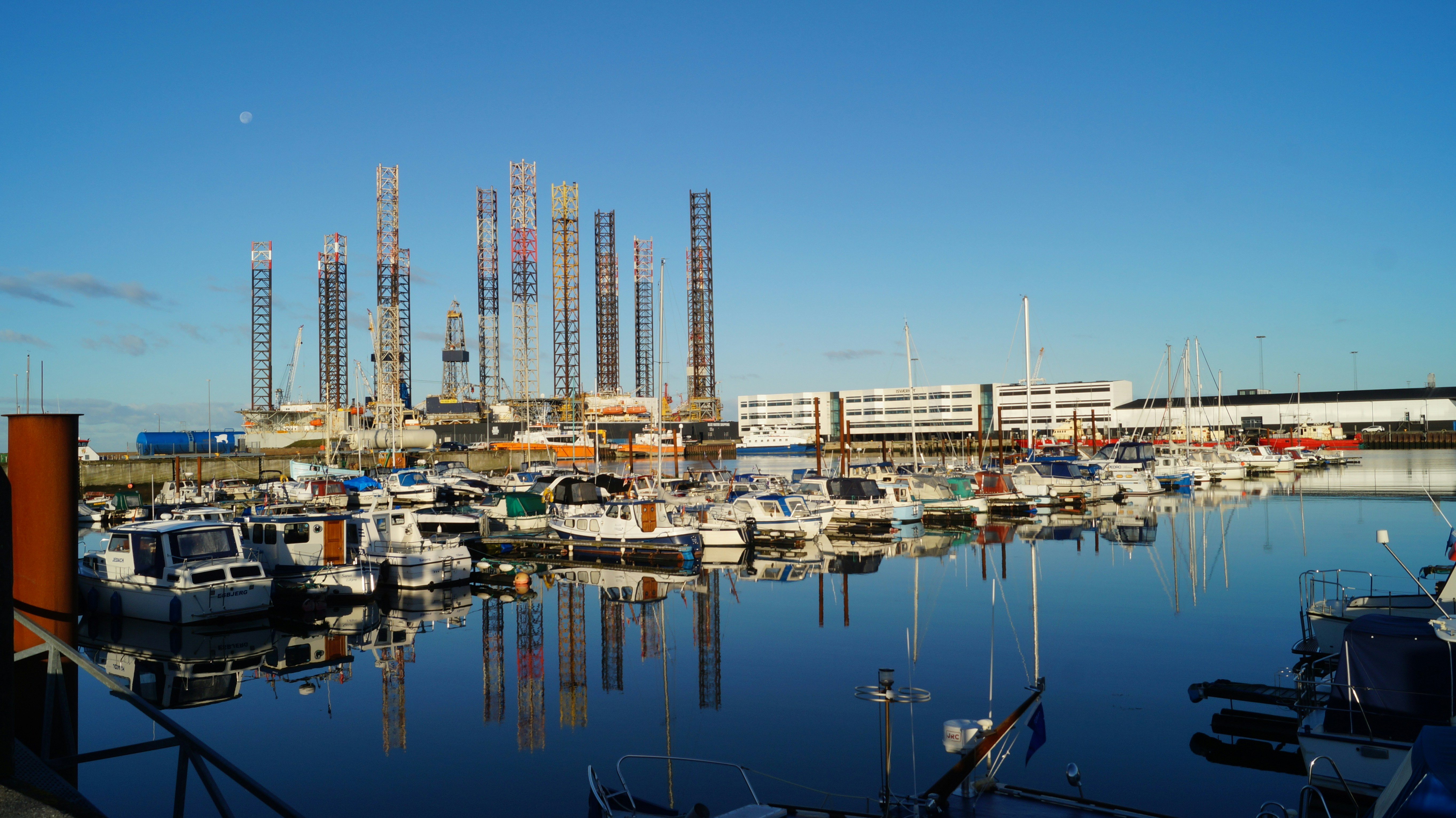
The new technology will be integrated into a demonstration system that will be installed and tested at Port Esbjerg. The project is a natural extension of our work on safe, scalable and future proof flow battery solutions.

If you would like to learn more about our projects or explore opportunities for collaboration, please do not hesitate to get in touch with us.